
Services
The procedures undertaken by Suntara will vary depending on the type of skin lesion. All procedures will be carried out under local anaesthetic.
It’s usual that nearly all samples are sent to the laboratory for analysis (histology). This is to rule out any unexpected diagnosis. This will be discussed prior to the procedure being carried out as it does incur an additional cost. We use Poundbury Cancer Institute, a highly acclaimed local laboratory for our histology analysis. Using our friends locally also help keep costs down.
Skin tags |
|
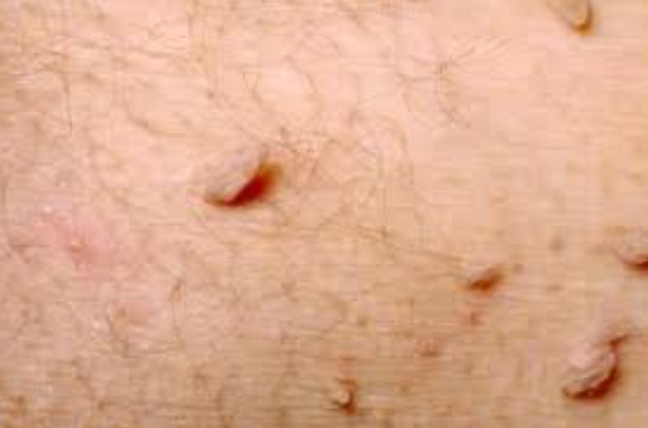 |
These are very common skin lesions, which can occur anywhere but most commonly around the neck, armpits and inner thighs. There may be a group of them, and they can irritate and catch clothes and jewellery.
|
|
Moles |
|
|
|
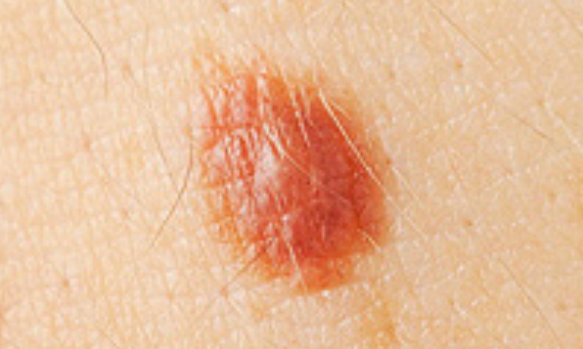
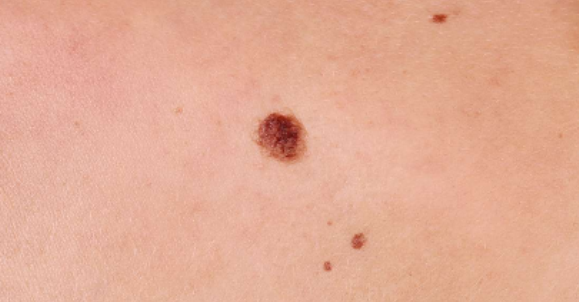
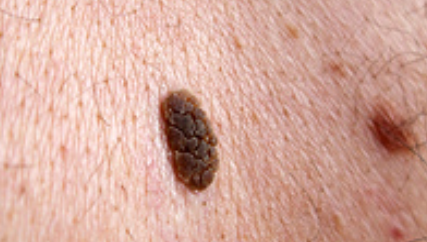
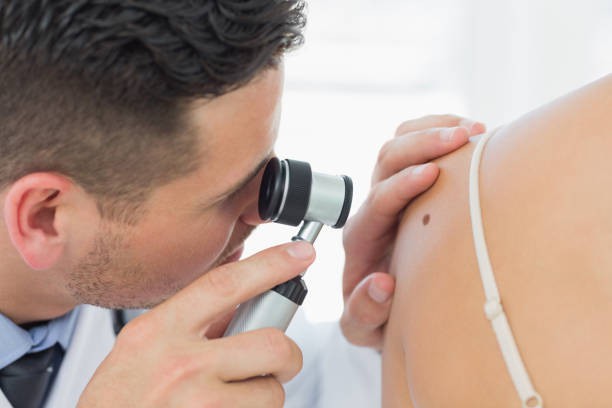
Benign (non-cancerous) moles can be left well alone as most tend not to cause any symptoms. However, if they are cosmetically undesirable, they can be removed. Skin care and sun damage advice as well as signs to look for in moles for cancerous change is important.
|
|
Cysts |
|
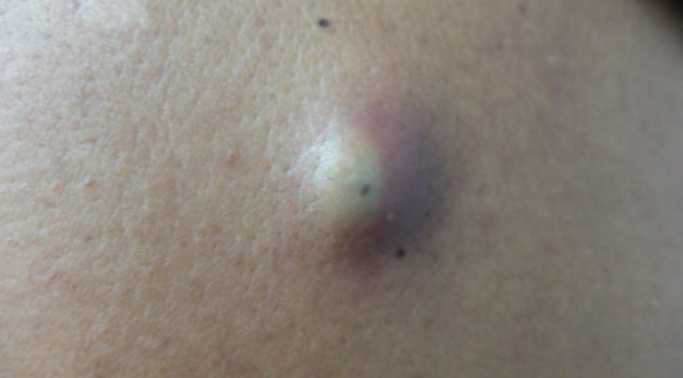 |
Cysts are common. They occur as soft, defined swellings usually on the scalp, face, neck, chest or back. They may be cosmetically undesirable but tend to cause no symptoms so the NHS will usually not fund removal in these cases. However, they can become infected and painful, in which case you should see your GP first as you may require treatment with antibiotics and possible onward referral within the NHS. They are easily removed, and this is a service we happily offer if preferred.
|
|
Warts |
|
|
|
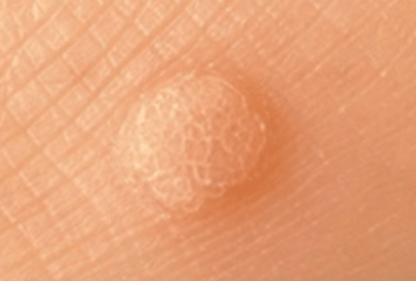
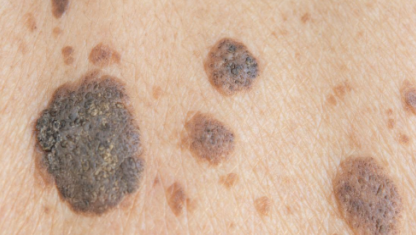
These are very common and come in different shapes, sizes and colours. They are common on the face, neck and especially on the trunk. They are not cancerous but can become unsightly. They are easily treated.
Please note, common warts on the hand and verrucas on the feet are best left alone to heal naturally unless painful but we can offer a cryotherapy service if required.
|
|
Cherry Spots |
|
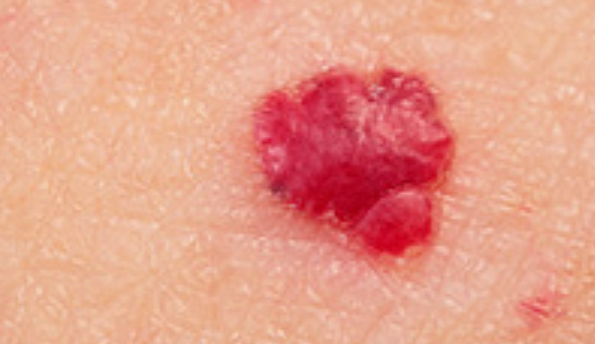 |
Cherry spots (haemangiomas) are caused by an overgrowth of blood vessels in the skin which usually appear on the chest or back. They are harmless. However, they are easily treated if required. |


Our CQC Rating